
Plastic surgery
Male liposuction in Turkey: an honest guide (2026)
Medically reviewed by Dr. Mehmet Yılmaz
Quick answer
Male liposuction reshapes the male body by removing stubborn, localised fat, most often from the flanks (love handles), abdomen and chest, to reveal a firmer, more athletic contour. It is a contouring procedure, not weight loss. It works best for men near a stable weight with good skin tone. At SaluVista it starts from £2,205 per area.
- Common male areas: flanks, abdomen and chest, plus back, neck/jawline or a full 360° trunk.
- Not weight loss: it removes fat that resists diet and training, not a substitute for either.
- From £2,205 per single area (≈ €2,600); a full itemised quote follows your assessment.
- A good surgeon may say no — or suggest a smaller change — if you're not a suitable candidate.
In this guide
More men are choosing body contouring than ever. Liposuction is the most requested procedure. The frustration is familiar: you train hard and eat reasonably well, but a soft roll around the waist, a stubborn lower belly or a fuller chest simply won't shift. This guide explains, honestly, what male liposuction can and can't do, who it suits, and what it costs in Turkey, so you can have a sensible conversation with a surgeon.
It's general information to help you prepare, not medical advice. If you want the broader picture first, our plastic surgery hub and our liposuction cost guide are good companions.
What male liposuction is
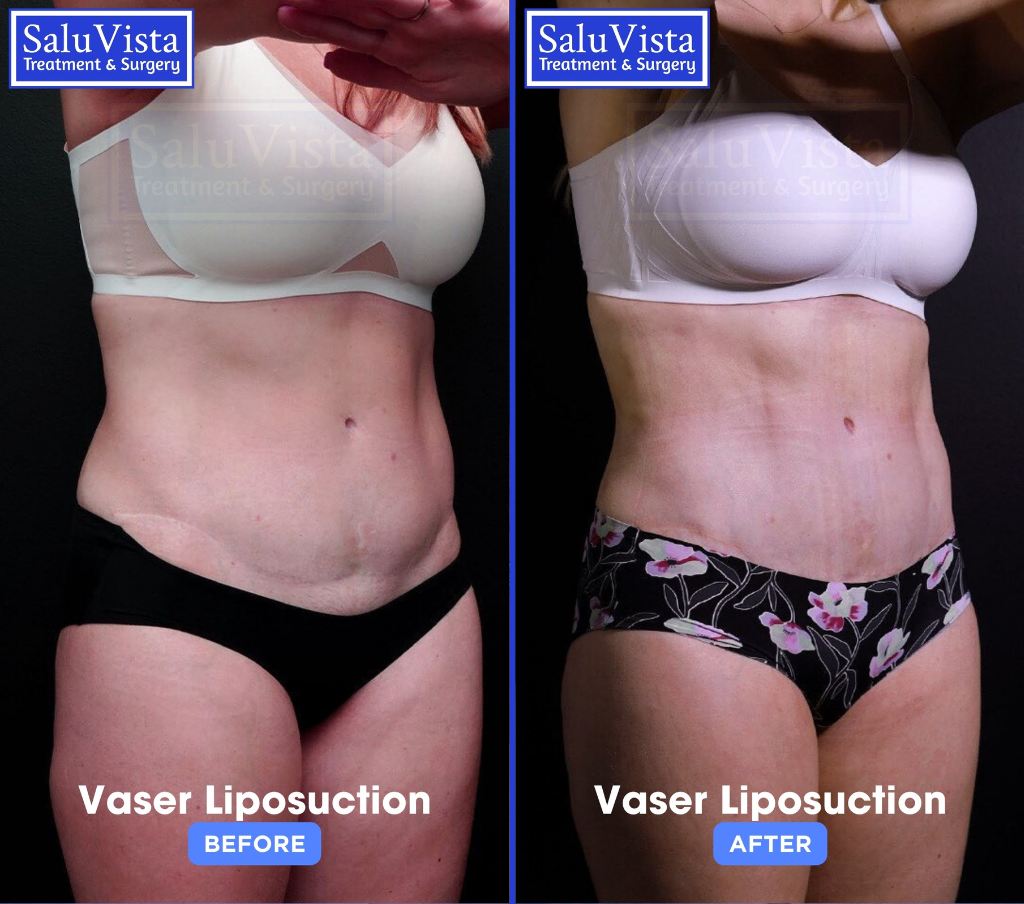
Liposuction removes localised pockets of fat through very small incisions, using a thin tube (a cannula) to loosen and suction the fat away. The goal is shape, not weight: the surgeon sculpts a treated area so the underlying muscle and frame read more clearly. In men, that usually means sharpening the waistline, flattening the abdomen and refining a fuller chest.
It is not a treatment for obesity and it does not tighten loose skin on its own. If the main problem is a large volume of weight or significant skin laxity, a surgeon may point you toward weight management, our obesity surgery options, or a skin-tightening procedure instead. A responsible plastic surgeon sometimes advises against surgery, or toward a smaller, safer change.
The one-line version: liposuction is a precision contouring tool for stubborn fat on a body that's already close to its target, not a shortcut to losing weight.
Areas men treat most
Male fat tends to settle in different places than female fat, and the requests reflect that. The most common areas are:
- Flanks (love handles): the fat around the waist and lower back that spills over a belt. Often the single most requested male area.
- Abdomen: the lower belly and the roll that hides muscle definition even in lean men.
- Chest: a fuller or "puffy" chest, though this needs careful assessment (see below) because firm glandular tissue behaves differently from fat.
- Upper back: rolls near the bra-line area and around the shoulder blades.
- Neck & jawline: a fuller under-chin, sometimes treated as submental liposuction for a sharper profile.
- Inner thighs and knees: less common in men but sometimes requested.
Because male contouring often works best when the whole waistline is addressed together, surgeons frequently treat the flanks and abdomen as a 360° trunk, contouring all the way around rather than a single flat panel.
How it differs for men
Male liposuction is its own discipline, not simply the female operation applied to a male body. Three differences matter:
| Factor | What's different for men |
|---|---|
| Fat type | Male fat is often firmer and more fibrous, which can make it denser to treat. |
| Goal | Men usually want a defined, athletic look, visible muscle lines rather than soft smoothing. |
| Common areas | Flanks, abdomen and chest, versus hips, thighs and arms more often in women. |
| Skin | Male skin can retract well over muscle, but existing laxity still needs honest assessment. |
Because men often want the muscle to show, liposuction is sometimes taken a step further into ab etching, where fat is sculpted along the natural grooves of the abdominal muscles to enhance definition. That's a more advanced technique with its own trade-offs and is only right for certain candidates.
Are you a good candidate?
The best male candidates share a few things:
- You are close to a stable, healthy weight, not relying on surgery to lose a large amount.
- You have specific, stubborn pockets of fat that resist diet and training.
- Your skin has reasonable tone, so it can redrape smoothly after fat is removed.
- You are in good general health, a non-smoker or willing to stop, with realistic expectations.
Liposuction rewards a body that's already close. If you're still some way from your target weight, most surgeons will suggest getting closer first. The result will be better and the risk lower.
You'll speak with your surgeon before you travel, and screening and booking happen in the SaluVista app, where a qualified human makes the final call on whether surgery is appropriate. You can read more about the plastic and aesthetic team on our surgeons page; for male body contouring, Op. Dr. Caner K., our board-certified plastic, reconstructive and aesthetic surgeon, brings an aesthetic eye across both facial and body work.
Chest: liposuction or gynecomastia surgery?
A fuller male chest is one of the most common reasons men seek surgery. But it's also the area where the right diagnosis matters most. There are two different tissues at play:
- Fat (pseudogynecomastia): soft, fatty fullness that liposuction can improve.
- Glandular tissue (true gynecomastia): a firm, rubbery disc under the nipple that liposuction alone often cannot fully remove. It usually needs excision.
Many men have a mix of both, so a surgeon examines the chest to decide. Where firm gland is present, the fix is dedicated gynecomastia surgery, which may combine liposuction with removal of the gland. If your main concern is your chest, read that guide alongside this one. The wrong procedure won't give the result you want.
Procedure & recovery
Liposuction is usually done under general or, for smaller areas, local anaesthetic, often as a day case or with a short stay. Afterwards, expect a staged recovery rather than an overnight transformation:
- First days: bruising, swelling and soreness are normal; gentle walking is encouraged from day one to help circulation.
- Compression garment: worn for several weeks to control swelling, support the tissue and help the skin redrape. This is routine and important.
- Back to work: most men take about one to two weeks off, depending on the job.
- Training: strenuous exercise and heavy lifting are usually paused for four to six weeks.
- Final shape: swelling settles over weeks to months; the true contour often takes three to six months to fully appear.
Done properly, the process includes screening beforehand and follow-up afterwards. No honest surgeon guarantees a specific aesthetic outcome. Individual anatomy, healing and skin quality all shape the result.
What it costs
At SaluVista, male liposuction starts from £2,205 (≈ €2,600) for a single area. A full 360° trunk treatment, contouring the flanks and abdomen all the way around, starts from £3,520 (≈ €4,150), and each additional area is from an extra £1,050. If your goal includes muscle definition, ab etching starts from £3,360, and chest work through gynecomastia surgery from £2,310 (liposuction) or £2,835 (with excision).
Treat every figure as a guide only. Your real cost depends on how many areas are treated, the volume of fat and the technique used, and it's confirmed in a transparent, itemised quote after an individual assessment, never a pressured, one-size-fits-all number. Our liposuction cost guide breaks down exactly what goes into the price.
Prices to keep handy: single area from £2,205 · 360° trunk from £3,520 · each extra area +£1,050 · ab etching from £3,360. Guide "from" prices, confirmed after assessment.
Want an honest read on whether lipo suits you?
Share your goals, a few details and photos, and a specialist gives you a straight answer, including if a smaller change, a different procedure, or no surgery is the wiser move.
Get a free assessment →Frequently asked questions
How much does male liposuction cost in Turkey?
At SaluVista, liposuction starts from £2,205 (about €2,600) for a single area, with 360° liposuction of the trunk from £3,520 (about €4,150) and each additional area from an extra £1,050. These are guide 'from' prices; your exact figure is confirmed in a transparent, itemised quote after an individual assessment, because it depends on how many areas are treated, the volume of fat and the technique used.
What areas do men usually have liposuction on?
For men the most common areas are the flanks (the 'love handles' around the waist), the abdomen, and the chest. Some men also treat the upper back, the neck and jawline, or the inner thighs. The flanks and abdomen together are often called a 360° trunk treatment because the surgeon contours all the way around the waistline.
Is male liposuction the same as gynecomastia surgery?
Not exactly. Liposuction removes soft fatty tissue and can improve a fatty chest, but true gynecomastia involves firm glandular breast tissue that liposuction alone often cannot fully remove. Gynecomastia surgery may combine liposuction with excision of the gland. A surgeon examines the chest to tell which tissue is present and recommends the right approach.
Is liposuction a way to lose weight for men?
No. Liposuction is a body-contouring procedure, not a weight-loss treatment. It removes localised, stubborn fat that resists diet and training, but it is not a substitute for lifestyle change or bariatric surgery. The best male candidates are close to a stable, healthy weight with good skin tone and defined pockets of fat they cannot shift.
How long is recovery after male liposuction?
Most men take about one to two weeks off work, with gentle walking encouraged from day one. You wear a compression garment for several weeks. Bruising and swelling are normal and settle gradually; strenuous training and heavy lifting are usually paused for four to six weeks, and the final contour can take three to six months to fully appear as swelling resolves.
Can male liposuction be combined with ab etching or a tummy tuck?
Often yes. Liposuction is the foundation of ab etching, where fat is sculpted to reveal a more defined 'six-pack', and it is commonly paired with a tummy tuck when there is loose skin. But combining procedures adds operating time and recovery demands, so it is only appropriate when a surgeon judges it safe for you. Safety comes before convenience.
How do I find out if I'm suitable?
Start with an assessment. You'll speak with your surgeon before travelling, and screening happens in the app where a qualified human makes the final decision. Get the SaluVista app or message us for an honest review of your options.
This article is general information, not medical advice, and does not replace a consultation with a qualified surgeon. Individual results and recommendations vary, and no specific aesthetic outcome can be guaranteed. Always discuss your options and risks with a medical professional.
Sources & further reading
- NHS — Cosmetic procedures: independent UK guidance on liposuction and choosing a practitioner safely.
- BAAPS — British Association of Aesthetic Plastic Surgeons: professional standards and patient information for aesthetic surgery.