
Plastic surgery
Breast reduction in Turkey: relief, technique and recovery
Medically reviewed by Dr. Mehmet Yılmaz
Quick answer
Breast reduction (reduction mammoplasty) removes excess breast tissue, fat and skin to make heavy breasts smaller, lighter and better-shaped, and for people whose neck, back and shoulder pain is caused by breast weight, it is one of the most reliably satisfying operations in plastic surgery. At SaluVista it starts from £3,360 (≈ €3,965) as a guide.
- It is mainly a symptom-relieving operation, not only a cosmetic one. The goal is comfort and proportion.
- It always leaves permanent scars, placed where clothing tends to cover them; they fade but never vanish.
- Pricing is a transparent from £3,360 guide, confirmed by an itemised quote after individual assessment.
- A good surgeon sometimes advises a smaller change, a delay, or against surgery. Safety comes before convenience.
In this guide
If large, heavy breasts are giving you daily neck, back and shoulder pain, deep grooves from bra straps, or rashes underneath, you have probably wondered whether surgery could actually fix it. Breast reduction (clinically, reduction mammoplasty) is designed for exactly this. Unlike most aesthetic procedures, it is usually about physical relief first and appearance second. This guide explains honestly how it works, what the scars really look like, how recovery unfolds, and how SaluVista prices it.
It's general information to help you prepare for a conversation with a surgeon, not medical advice, and not a substitute for individual assessment.
Why people choose reduction
Very large breasts carry real, constant weight on the front of the chest. Over years, that load pulls the shoulders and upper back forward and down, and the body compensates all day long, so people who come to us for reduction most often describe a familiar cluster of problems:
- Chronic neck, upper-back and shoulder pain that physiotherapy and painkillers only partly ease.
- Deep grooves where bra straps dig into the shoulders.
- Skin irritation, rashes or infections in the fold under the breast.
- Difficulty exercising or finding clothes and bras that fit.
- Postural strain and, for some, headaches linked to neck tension.
When the breasts themselves are the cause, taking that weight off the upper body can be genuinely life-changing, and the UK's NHS guidance on breast reduction recognises it as a treatment for these physical symptoms, not merely a cosmetic wish. That said, not every ache is breast-related, which is why an honest assessment matters before you commit.
Reduction is one of the few operations where patients often talk about relief before they talk about looks. That is a good sign it's treating a real problem.
Are you a candidate?
Reduction may suit you if your symptoms are clearly linked to breast size and weight, your general health is good, and you have a realistic picture of what surgery can and cannot do. A responsible surgeon will also consider a few things carefully with you:
- Smoking meaningfully raises the risk of wound-healing problems; most surgeons ask you to stop well before and after surgery.
- Future pregnancy and breastfeeding — reduction can affect the ability to breastfeed, and pregnancy can change breast size again, so timing is worth discussing.
- Weight stability — being at a settled, stable weight helps the result last.
Sometimes the best advice is to wait, to remove less than you imagined, or to treat a related issue first, and a surgeon who occasionally recommends against surgery, or a smaller change, is protecting your result and your safety, not losing your custom.
Reduction vs uplift vs augmentation. If your breasts are heavy and you want them smaller, that's reduction. If they're a size you're happy with but sagging, that's an uplift (mastopexy). If you want more volume, that's augmentation. Reduction almost always includes an uplift as part of the same operation, because lifting the breast is how it's reshaped.
The technique, step by step
Breast reduction is carried out under general anaesthetic and usually takes a few hours; the exact approach is tailored to your anatomy, but the principles are consistent.
1. Planning and marking
Before surgery, the surgeon marks the breast while you are sitting upright, planning where tissue will be removed and where the nipple will sit afterwards. This planning stage is where experience shows.
2. Removing tissue and reshaping
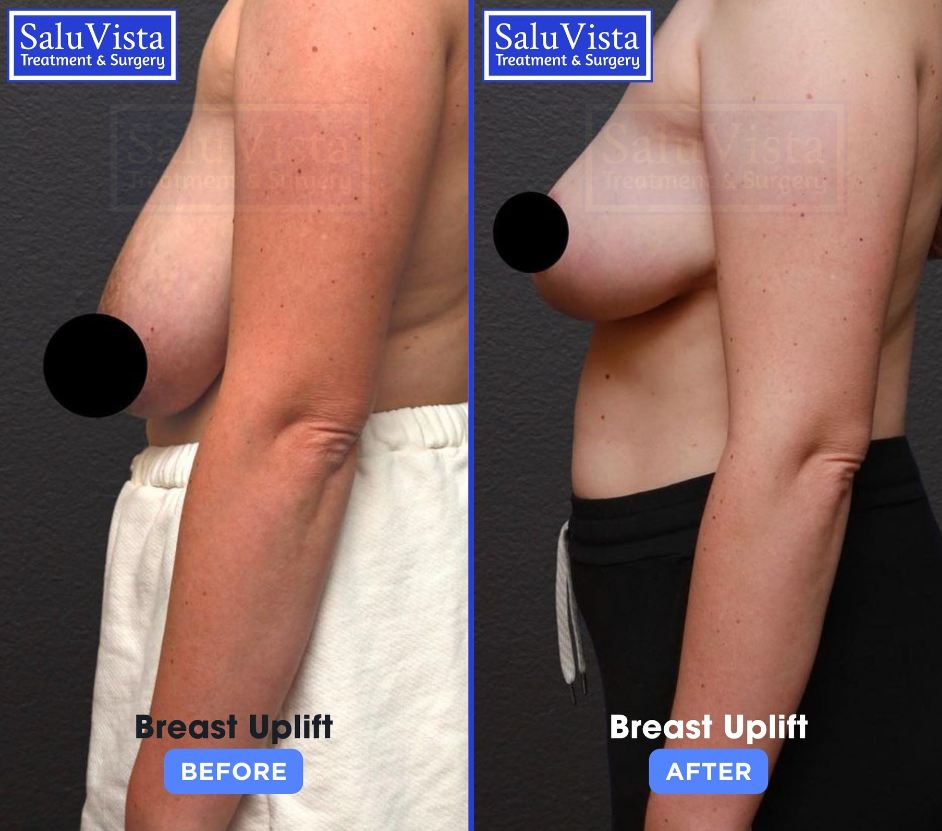
Excess breast tissue, fat and skin are removed, and the remaining breast is reshaped into a lighter, higher, more proportionate form. The nipple and areola are usually kept attached to their blood and nerve supply and moved up to their new position; the areola is often reduced in size to match.
3. Closing and dressing
The incisions are closed in layers, dressings and often a support bra are applied, and small drains may be used for a day or two to prevent fluid building up. You'll typically stay in hospital overnight.
| Pattern | What it looks like | Often used for |
|---|---|---|
| Vertical ("lollipop") | Around the areola + a vertical line to the fold | Small to moderate reductions |
| Inverted-T ("anchor") | Lollipop + a horizontal scar along the fold | Larger reductions, more excess skin |
The larger and heavier the breasts, the more skin needs to be removed, and the more likely an anchor pattern is, and this is a trade-off worth understanding early: more tissue removed can mean more scarring.
Scars — the honest part
Breast reduction always leaves permanent scars. Anyone saying otherwise isn't being straight. The scars typically circle the areola, run vertically down to the crease, and, in larger reductions, extend horizontally along the fold beneath the breast.
The good news is where they sit: the surgeon places them so that bras, bikinis and most tops cover them, and they are usually firm and pink at first, then fade over roughly 12 to 18 months to paler, flatter lines. They never disappear completely, and how they mature depends partly on your skin and healing, which no surgeon fully controls.
What helps scars settle: not smoking, protecting the scars from sun, wearing your support garment as advised, and following the surgeon's scar-care guidance. Ask to see exactly where your scars will fall before you decide. A good surgeon will show you.
Recovery, week by week
Recovery is staged and settles over weeks to months rather than days, and everyone heals at their own pace, so treat this as a general map, not a promise.
- First few days: soreness, swelling and bruising; you wear a supportive surgical bra and rest. Pain is usually manageable with prescribed pain relief.
- Week 1–2: most people with desk jobs return to work; you keep movement gentle and avoid raising the arms forcefully.
- Week 4–6: gradual return to more activity; heavy lifting and vigorous exercise are usually avoided until the surgeon clears you.
- Months 2–6: swelling continues to settle and the final shape and size emerge; scars begin their long fade.
SaluVista is a medical-travel platform. Your care doesn't stop when you fly home. Follow-up is built into the process. For a fuller day-by-day picture, see our breast reduction recovery timeline.
Cost & what's included
At SaluVista, breast reduction and uplift starts from £3,360 (≈ €3,965) as a guide price. That figure is a genuine "from" price, not a flat fee: it's a starting point that we confirm with a transparent, itemised quote after the surgeon has assessed you, because the right amount of tissue to remove, and therefore the operation itself, varies from person to person.
Treat any single number as a guide only. What matters is that the quote is clear about what's included, agreed after individual assessment, and never inflated by pressure to "decide today", and our plastic surgery cost guide explains how transparent pricing works across procedures, and the wider plastic surgery hub covers the full range.
Wondering if reduction is right for you?
Share your symptoms, health details and goals, and a specialist gives you an honest, personalised view, including whether a smaller change or a different option would serve you better.
Get a free assessment →Your surgeon & the SaluVista process
Body and breast contouring at SaluVista is led by Assoc. Prof. Emre G., an academic plastic surgeon whose work spans facial aesthetics, rhinoplasty and body contouring, including post-bariatric surgery. That's the kind of experience that matters when reshaping and lifting heavier breasts. Read more on our surgeons page.
The process is designed so a qualified human, not an algorithm, makes the final call:
- You speak with your surgeon before travelling, so your plan is set before you fly.
- Screening and booking happen in the SaluVista app, with your medical details reviewed properly.
- A qualified surgeon makes the final decision on whether, and how, to operate, and may advise against it.
Combining procedures (for example, adding another body-contouring step) is only considered when it's genuinely safe to do so; safety always comes before convenience.
Frequently asked questions
Does breast reduction really help neck and back pain?
For many people it does. When heavy breasts are the cause of chronic neck, back and shoulder pain, grooving from bra straps, and rashes under the breast, removing excess tissue takes the constant downward load off the upper body. Reduction is one of the more reliably satisfying operations in plastic surgery because it treats physical symptoms, not just appearance. It is not guaranteed, and a surgeon will assess whether your symptoms are truly breast-related before recommending it.
How much does breast reduction cost in Turkey?
At SaluVista, breast reduction and uplift starts from £3,360 (about €3,965) as a guide price. That is a from price only; your final figure is confirmed in a transparent, itemised quote after an individual assessment with the surgeon, based on your anatomy and what your case actually requires.
Will breast reduction leave scars?
Yes, always. Breast reduction leaves permanent scars, most commonly around the areola and running vertically down to the crease, and often a horizontal scar along the fold (an anchor or lollipop pattern). Scars are placed where clothing and swimwear tend to cover them and usually fade over 12 to 18 months, but they never disappear completely. A responsible surgeon shows you exactly where the scars will fall before you decide.
How much smaller will my breasts be?
The surgeon aims for a size that is in proportion with your frame and relieves your symptoms, rather than a specific cup size, which is not a precise measurement. During assessment you discuss your goals and the surgeon advises what is realistic and safe to remove while keeping the breast healthy and well-shaped. No exact final size can be guaranteed in advance.
How long is recovery after breast reduction?
Most people take one to two weeks off a desk job and wear a supportive surgical bra for several weeks. Heavy lifting and vigorous exercise are usually avoided for four to six weeks. Swelling settles gradually and the final shape emerges over several months. Everyone heals differently, so follow your surgeon's specific guidance rather than a fixed timetable.
Can breast reduction affect breastfeeding?
It can. Because reduction involves working around the nipple and glandular tissue, it may reduce or affect the ability to breastfeed in future. If you are planning to have children and breastfeed, tell your surgeon during assessment so it can be weighed in the decision about whether and when to operate.
This article is general information, not medical advice, and does not replace a consultation with a qualified doctor. Individual results and recommendations vary, and no specific aesthetic outcome can be guaranteed. Always discuss your options and risks with a medical professional.
Sources & further reading